|

|
©2007 Amanda Campbell
|
|
|
©2007 Amanda Campbell
|











|
 |
Key Grip
|

|
|
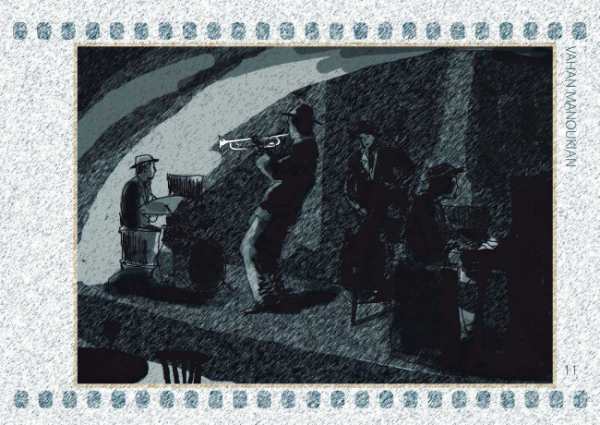
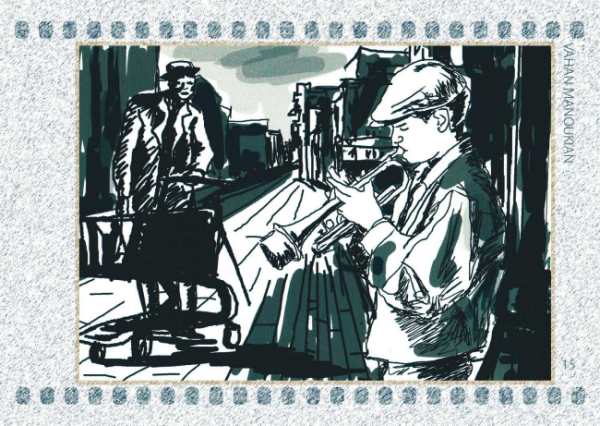
Born on December 27th, 1968, in Yerevan, Armenia, Vahan Manoukian has worked as a production designer and freelance artist in Los Angeles since his arrival February 18th, 1994. A few of his credits include "Camera Obscura," directed by Hamlet Sarkissian, "The Amazing Kozmo," directed by Bob White, and "Project Z," directed by Grant Chorlian. Manoukian has had nine unduplicated personal and three group exhibitions in the well-known halls and museums of Armenia, Russia and Estonia. Many of his works are now in private collections. On February 16, 1994, Manoukian personally presented his painting, "The Nativity and the Adoration of the Magi," to Pope John Paul II for an exhibition in the Vatican Modern Art Museum. He counts this as one of his life's most memorable experiences. |
|
Born July 16th, 1960, in Athens, Dimitris Bogiantzis fell in love with film making at the age of 16 when he worked on his first film. This passion for film making brought Bogiantzis to the United States in 1995, when he moved to Los Angeles to continue his career as a gaffer and cinematographer. Some of Bogiantzis' credits include "The Confession," produced by Ryan Halderian, "Black Butterfly" (TV series), "The Achievers," directed by Abraham Lim, "Camera Obscura," directed by Hamlet Sarkissian, and "Mascara," directed by Linda Kandel. Bogiantzis' works have won many awards: "Landscape in the Mist" won the Silver Lion at the Venice International Film Festival; "First Daughter" won the Artistic Achievement in Cinematography Award, 2000 ICG Film Showcase; and "Life Gradual Improvement" took the Best Cinematography Award, Drama Short Film International Festival, 1991 - Greece. Bogiantzis looks forward to continuing his career as a Cinematographer and counts the birth of his children, twins Panos and Marika, as his most precious moment. |
|
Minos Matsas, composer, received degrees in music from the Athens Conservatory, Juilliard School, and Columbia University. In 1994, working as a producer at EMI, he started his own label, "Messogios" -- meaning Mediterranean -- and launched his own career as a composer. In 1996 he opened Odeon Studios, a state-of-the-art studio complex, which he still manages. His works include music for films, theater, dance, animation, popular songs, and orchestral music. His CDs have been released by EMI, His Master's Voice, and Sony Music. His works have been performed at the National Theater of Greece, the Athens Concert Hall, the Palace Theater, and Lincoln Center. In 2003, his New York debut at Lincoln Center included an outstanding performance of his original score, Diary of a Lost Girl. In May, 2003, Mr. Matsas' music was performed at the Metropolitan Opera of New York to accompany the film, "The Parthenon," directed by the Academy Award winner Costa-Gavras. Mr. Matsas is currently based out of Los Angeles, where he is credited for scoring several independent feature films. |
|
|
|
|
|
|
|
|
|
|
|
|
|
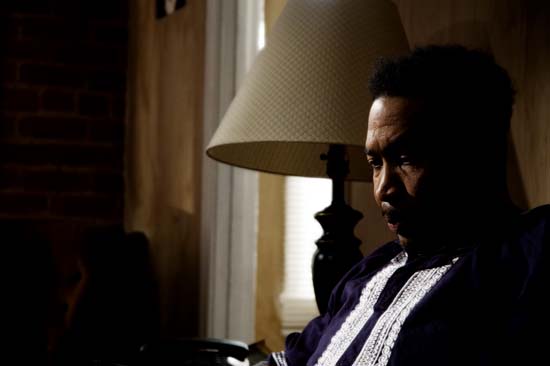
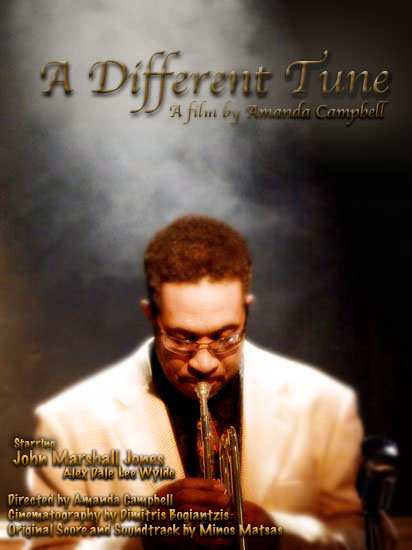
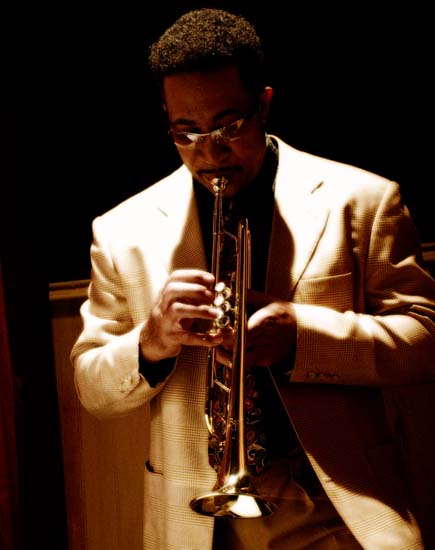
After suffering a stroke early in his life, Frank Lyons, a well-known trumpet player, must retire from his musical career and give up his life's passion. He is left broken, stuck in his music and the happiness he finds there. Frustrated by Frank's inability to leave his past behind, Millie, his physical therapist, pushes Frank too far, trying to make him understand that there is more to life than music. Enraged, Frank throws Millie out, abandoning any hope of recovery, and turning his back on the one person trying to help. Feeling guilty for his rash action, Frank befriends Carlos, a lonely young boy who lives next door, and begins to pass on the music he loves by teaching this young boy how to play. Determined not to give up on Frank, Millie returns to find Frank not living in his past but looking to the future. |
|
SPECIAL THANKS
|
|
When Frank Lyons, a well-known jazz musician, suffered a stroke at the height of his career, he lost his music and his dream. Unable to accept his loss, Frank retreated into his musical past and lost himself in the happiness he found there. Only the determination of his physical therapist and the potential he sees in a young boy can motivate Frank to leave the past behind and find hope in the future. |
|
|

|
|
PRODUCTION STILLS
|